
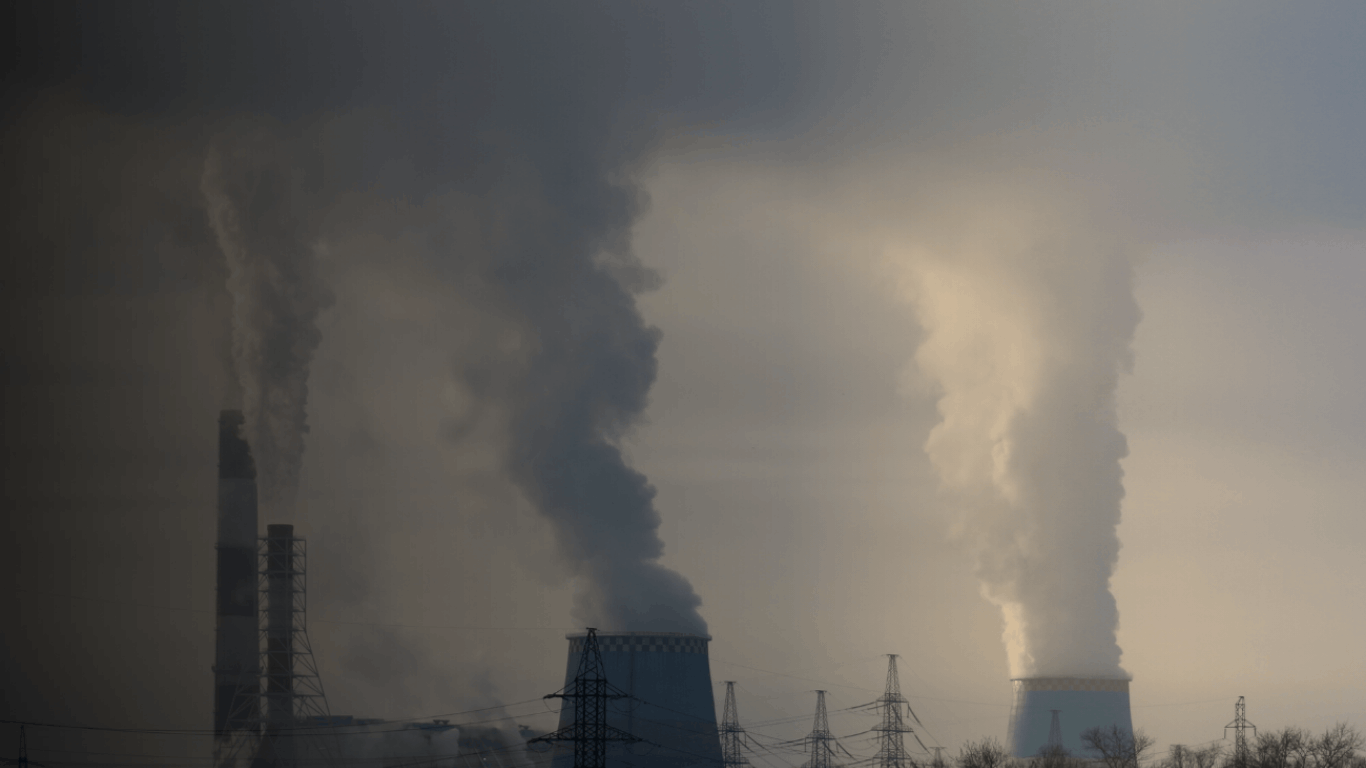
More than four years after the enactment of Law of the Republic of Indonesia Number 7 of 2021 concerning the Harmonization of Tax Regulations (HPP Law), Indonesia's carbon tax remains at a standstill. Originally designed as a cornerstone of the nation’s climate policy, this fiscal instrument was intended to drive greenhouse gas emission reductions while steering the domestic economy toward a low-carbon future.
Instead, persistent implementation delays cast doubt on the consistency of the government’s policy execution. Amid escalating global pressure on climate action and Indonesia's bold commitment to achieving net-zero emissions (NZE) by 2060, the carbon tax continues to stall.
The Roadblock to Execution
When the HPP Law was passed in October 2021, the government slated April 1, 2022, as the launch date for a carbon tax targeting coal-fired power plants at a rate of IDR 30 per kilogram of CO2 equivalent. However, that milestone was missed.
The launch was subsequently deferred to July 2022, only to be pushed back yet again with a promise of a 2025 rollout. Now, well into mid-2026, the policy remains shelved.
This track record suggests that the bottlenecks are no longer merely technical. They reflect deeper structural friction and a hesitant political commitment to environmental tax reform.
Deconstructing the Bottlenecks
The state's official justifications for these postponements have remained relatively consistent. Regulators repeatedly point to incomplete carbon market infrastructure, immature institutional frameworks, and the lack of measurement, reporting, and verification (MRV) systems. There is also the persistent fear of triggering domestic inflation, escalating energy costs, and undermining industrial competitiveness.
In a hearing before the House of Representatives Commission XI, the Fiscal Policy Agency of the Ministry of Finance outlined four primary drivers behind the delays.
Firstly, the complex challenge of aligning cross-sectoral policies under Presidential Regulation Number 110 of 2025. Secondly, a desire to integrate global carbon trading systems so that domestic industries do not carry the entire compliance burden. Thirdly, concerns over inflating the basic cost of electricity supply and retail fuel prices. Lastly, the implementing guidelines for the carbon tax roadmap remain stuck in the drafting phase.
While these challenges are valid, they raise a fundamental question. Why, four years after the HPP Law’s passage, are these foundational aspects still incomplete? With main responsibilities fragmented across the Ministry of Finance, the Ministry of Energy and Mineral Resources, the Ministry of Environment and Forestry, the Ministry of National Development Planning, and various other institutions, weak inter-agency coordination remains an unresolved bottleneck.
A Price Signal Lacking Teeth

Beyond administrative delays, the proposed tax rate itself presents a major challenge. The HPP Law sets a floor of IDR 30 per kilogram of CO2, which translates to less than USD 2 per ton. Globally, this rate is exceptionally low. By comparison, Singapore raised its carbon tax to SGD 25 per ton in 2024 and is on track to hit SGD 45 per ton by 2026, while several European nations levy charges exceeding USD 50 per ton.
A low tax rate fails to send a meaningful economic signal. From a corporate perspective, paying a negligible penalty is far cheaper than making the capital-heavy investments required to transition to low-carbon technologies.
In public finance, a Pigouvian tax is designed to internalize the negative externalities of environmental degradation, thereby encouraging behavioral shifts or investments in cleaner technologies. If the tax is too low to bite, it fails to catalyze the industrial decarbonization it was designed to achieve.
This hesitation is intensely tied to the domestic political economy. As one of the world’s leading coal producers and exporters, Indonesia relies on fossil fuels for state revenues, capital investment, and employment. Consequently, any regulatory shift that threatens to squeeze margins in the energy sector faces immense pushback.
The circumstances create a classic policy dilemma. With coal-fired power plants still anchoring the national grid, imposing a carbon tax risks driving up electricity generation costs. This would either force a highly unpopular hike in consumer tariffs or significantly increase the state’s subsidy burden.
Calls for Immediate Action
Despite the caution, Indonesia is not starting from scratch. Much of the necessary infrastructure is already operational. The Indonesian Carbon Exchange (IDX Carbon), launched in September 2023, recorded trading volumes of approximately 908,000 tons of CO2 valued at IDR 50 trillion by the end of 2024.
On the other hand, an MRV system is already active in the power sector, with 146 coal-fired power plants currently participating in carbon trading. Furthermore, the Presidential Regulation Number 98 of 2021 concerning the Carbon Economic Value and the Minister of Energy and Mineral Resources Regulation Number 16 of 2022 concerning the Carbon Economic Value Implementation Procedures anchor the legal basis.
With the institutional and market infrastructure largely in place, the missing ingredient is policy certainty. To move the carbon tax from a theoretical clause in the HPP Law to an active market reality, several strategic steps must be taken immediately.
First, the government needs to finalize and issue a Government Regulation on the carbon tax roadmap, along with implementing regulations, to provide businesses with a predictable compliance timeline.
Second, commit to a transparent, periodic rate-escalation schedule. Giving corporations clear visibility into future tax hikes allows them to plan long-term investments in green technologies confidently.
Third, the government needs to form a dedicated, cross-ministerial task force directly accountable to the President to bypass bureaucratic gridlock and streamline decision-making.
Fourth, ensure carbon tax revenues are transparently directed toward funding energy transition programs, renewable energy infrastructure, and protecting low-income communities from rising energy costs.
Finally, the government needs to align overlapping tax policies, such as Article 22 income tax on the upstream coal, oil, and gas sectors, to ensure the carbon tax operates cleanly without creating economic distortions.
Also read:
National Tax Day 2026, Momentum to Fortify Fiscal Resilience
The Chart of Accounts for Coretax Reporting
Article 26 Withholding Tax on Foreign Taxpayers